

SeaDek vs Marine Carpet: Which Is Superior?
posted by Erica Fisk on Aug 18th 2026
When boat owners compare SeaDek and marine carpet, the decision rarely comes down to looks alone. Comfort underfoot, how easy the deck is to clean, and how well the material holds up over time tend to matter far more - especially once weather, storage, and real use enter the picture.
Below, we break down where each option makes sense, with a clear verdict based on boat type and whether your boat lives covered or out in the elements.
Shop All Boat Kits and Watercraft Accessories
Comparison Snapshot: SeaDek vs Marine Carpet
|
Feature |
SeaDek (EVA/PE Foam) |
Marine Carpet |
|
Traction (wet) |
Excellent grip, even when soaked |
Fair; can become slippery when saturated |
|
Comfort |
Cushioned and supportive underfoot |
Soft when dry, soggy when wet |
|
Heat / UV behavior |
Can warm up in full sun, especially dark colors |
Holds less surface heat but fades with UV |
|
Cleaning |
Quick rinse and light brushing |
Traps dirt, sand, and fish residue |
|
Mildew/odor |
Closed-cell foam resists moisture |
Absorbs water, prone to mildew |
|
Typical lifespan |
~5–7 years depending on conditions |
~5–6 years with active use |
|
Warranty |
Limited material/workmanship warranty |
Varies by manufacturer |
|
Install complexity |
Peel-and-stick; prep is critical |
Glue-down or snap-in; removal is labor-intensive |
|
Typical cost |
Higher upfront investment |
Lower upfront investment |
|
Best for |
Frequent use, wet conditions, easy cleanup |
Light use, garage-stored boats, traditional feel |
Notes:
- Storage makes a major difference. Covered boats extend the life of both materials.
- Dark SeaDek colors heat faster in uncovered slips; lighter tones mitigate this.
- Carpet maintenance time adds up, even if the purchase price is lower.
Quick Verdict (By Boat & Use)
If you strip away marketing and tradition, the right choice usually becomes obvious once you think about how the boat is actually used and stored. Here’s where each option tends to make the most sense.
- Bass / Walleye boats
SeaDek handles frequent washdowns, fish blood, and wet gear far better, making cleanup faster and less frustrating. Darker or two-tone patterns help hide stains over time. Marine carpet only makes sense here if the boat lives in a garage and you strongly prefer a warmer, softer feel. - Wake / Ski boats
SeaDek delivers better grip and more consistent comfort when moving around barefoot. It also elevates the overall look of the cockpit. Just be mindful of darker colors if the boat sits uncovered in full sun, as surface heat can build up. - Pontoon and family cruisers
SeaDek is the easier material to live with day to day. Spills, wet swimsuits, kids, and pets are simpler to manage, and odors are far less likely to linger. Carpet tends to hold moisture and smells, especially with heavy family use. - Offshore and bay boats
SeaDek is the practical choice for hose-downs, salt exposure, and constant wet conditions. A quality install and covered storage help extend its life, but in active saltwater use, it outperforms carpet in both cleanup and traction.
SeaDek vs Marine Carpet by Boat Type
|
Boat type |
SeaDek |
Marine Carpet |
|
Bass / Walleye |
✓ Easy cleanup, handles frequent washdowns |
✗ Stains and holds moisture |
|
Wake / Ski |
✓ Strong grip and barefoot comfort |
✗ Slippery when wet |
|
Pontoon / Family |
✓ Odor-resistant, kid- and pet-friendly |
✗ Absorbs spills and smells |
|
Offshore / Bay |
✓ Rinses clean, drains well |
✗ Slow drying, mildew risk |
|
Garage-stored seasonal use |
✓ Still performs well |
✓ Acceptable with diligent drying |
SeaDek (EVA/PE Foam Decking) Pros & Cons
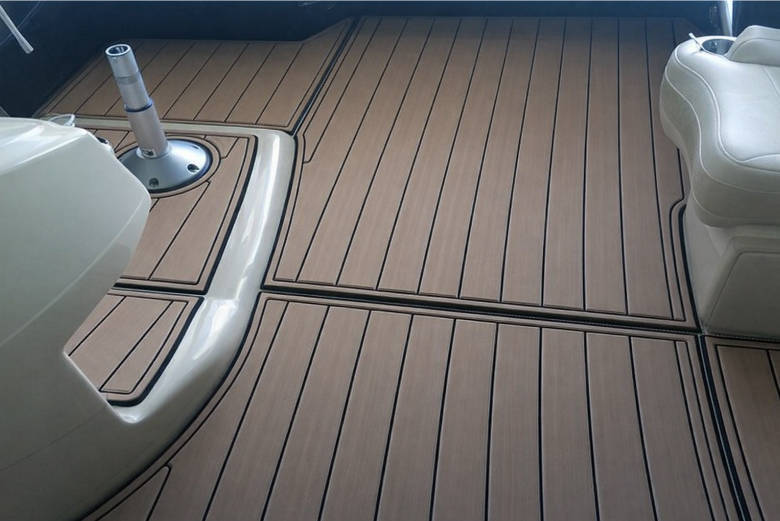
SeaDek is designed for real use on the water, not just appearance at the dock. Its strengths show up most clearly once the deck gets wet, messy, or heavily used - but like any material, it comes with trade-offs that are worth understanding before committing.
Pros
- Cushioned underfoot, which reduces fatigue during long days on the boat
- Excellent grip when wet, making it safer for barefoot movement
- Peel-and-stick installation with custom-fit kits available
- Closed-cell construction that does not absorb water
- Easy to rinse and clean after use
- Wide range of colors, patterns, and faux-teak designs for customization
Cons
- Darker colors can heat up and fade faster when left in full sun
- Dog claws, sharp gear, or dropped tools can gouge the surface
- Adhesive performance depends heavily on proper surface preparation
- Typical lifespan is around five to seven years, depending on conditions
- Limited three-year warranty on materials and workmanship
What influences lifespan?
How long SeaDek lasts depends largely on how the boat is stored and used. Covered storage slows UV exposure and heat cycling, while uncovered slips accelerate wear.
Heavy foot traffic, frequent hose-downs, darker color choices, and aggressive cleaning routines can all shorten its service life, while lighter colors and regular, gentle cleaning with SC Wake Boat Juice help extend it.
Marine Carpet Pros & Cons
Marine carpet has been standard on many boats for decades, largely because it feels familiar and works well in certain conditions. Its strengths are most noticeable on lightly used boats with controlled storage, while its downsides tend to surface with frequent wet use.
Pros
- Warm, soft feel underfoot
- Helps dampen sound and vibration from the hull
- Lower upfront cost compared to foam decking
- Traditional look that some owners still prefer
Cons
- Absorbs water and dries slowly
- Prone to mildew and lingering odors
- Traps sand, dirt, and fish residue
- Requires more scrubbing and deep cleaning
- Moisture left sitting can contribute to deck rot over time
- Fades with prolonged UV exposure
- Typical lifespan is often around five to six years with active use
Mildew & Odor: What Helps (and What Doesn’t)
Marine carpet problems usually start when moisture can’t escape. Covering the boat when it’s not in use, improving airflow, and allowing the carpet to dry fully after wet trips can slow mildew growth.
Even with good habits, carpet requires ongoing attention to stay fresh, especially in humid or saltwater environments. For owners who stick with carpet, regular care makes a noticeable difference.
Cost of Ownership (Not Just Purchase Price)
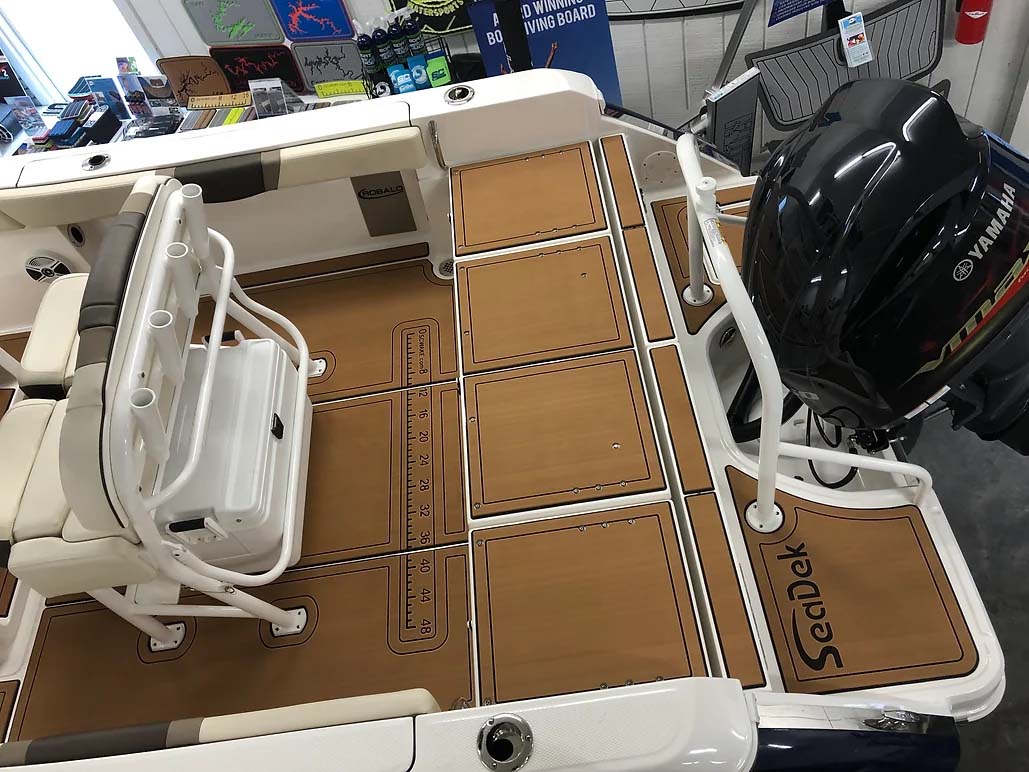
The upfront price only tells part of the story. What most owners feel over time is how much effort, maintenance, and replacement a deck surface actually demands.
When you look at the cost spread across years of use, the gap between SeaDek vs carpet often narrows more than expected.
SeaDek vs Carpet: Ownership Cost Comparison
|
Factor |
SeaDek |
Marine Carpet |
|
Upfront material + install |
Higher initial investment (custom kit, pro install recommended) |
Lower upfront cost |
|
Expected lifespan |
~5–7 years in heavy or wet use |
~5–6 years with active use |
|
Estimated yearly cost |
Moderate when spread over the lifespan |
Often similar once replacements are factored in |
|
Maintenance time |
Minimal; rinse and light brushing |
Higher; vacuuming, scrubbing, deep cleaning |
|
Maintenance cost |
Mild cleaners, low effort |
Cleaning gear, stain treatments |
|
Hidden risks |
Adhesive prep must be done correctly |
Moisture buildup can affect subfloor over time |
SeaDek typically costs more at the start, but daily upkeep is simpler and faster. Carpet is cheaper to install, yet demands more ongoing attention and can introduce longer-term issues if moisture is allowed to sit beneath it.
Because boat size, layout, and usage vary so widely, exact numbers are best handled on a case-by-case basis. For an accurate breakdown, it’s worth getting pricing tailored to your boat rather than relying on averages.
Note: Costs shown as general ranges. For boat-specific pricing, use the “Get a Quote” option to see what applies to your setup.
Traction, Comfort & Heat in the Real World
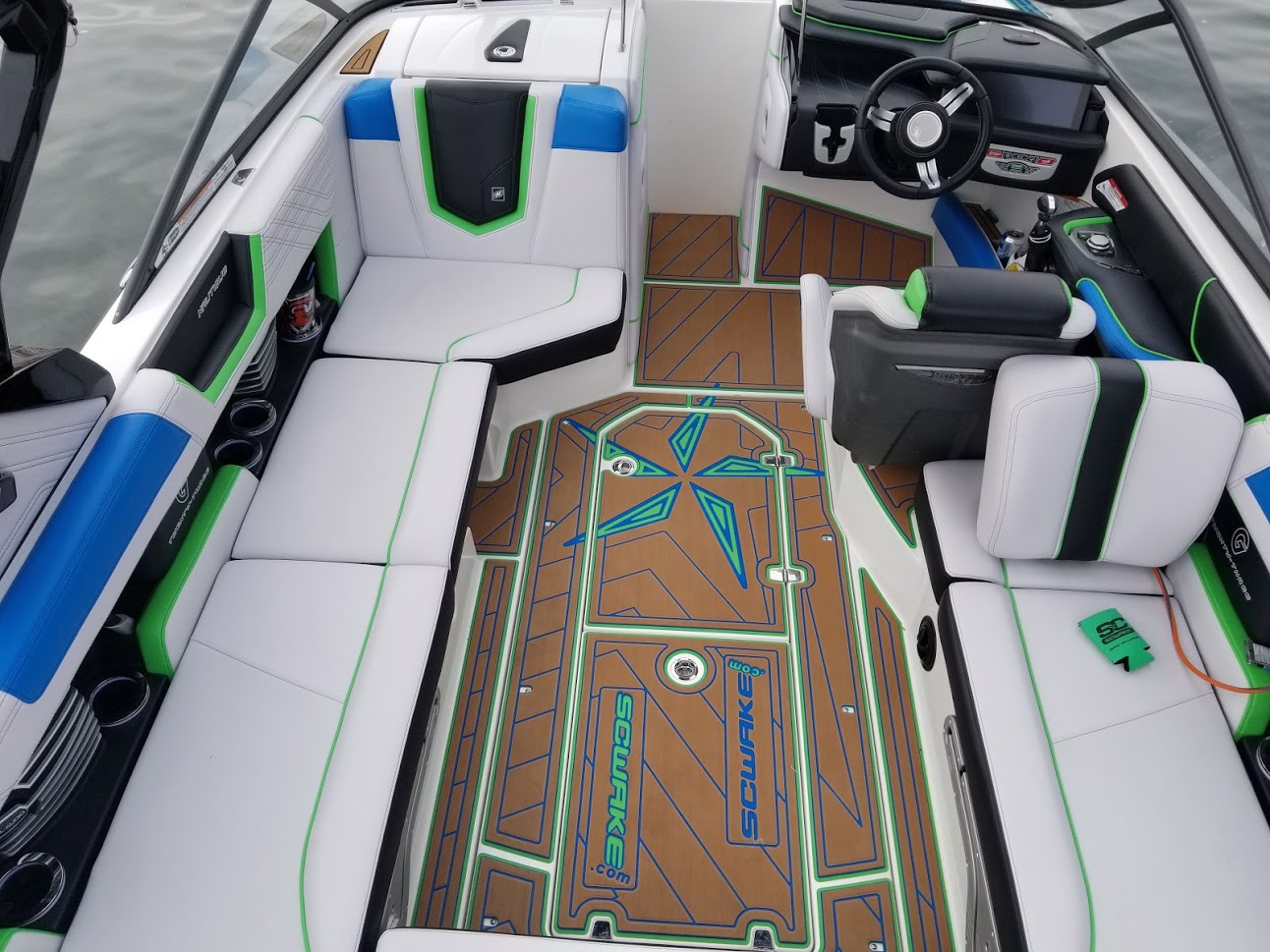
Once a deck gets wet, the difference between materials becomes obvious very quickly. Foam decking offers noticeably better grip underfoot, especially for barefoot use. BoatUS has noted that EVA foam is often grippier than aggressive non-skid, which helps explain why it feels more secure when moving around a wet cockpit or swim platform.
Comfort shows up over longer days on the water. SeaDek’s cushioning absorbs impact and reduces fatigue when you’re standing or moving around, even when the surface is wet. Carpet, by comparison, tends to feel soft when dry but becomes spongy once soaked, which doesn’t offer the same support and can feel tiring underfoot.
Heat and sun exposure affect both materials, just in different ways. Boats that sit uncovered in direct sunlight will see faster fading and heat buildup on darker foam and carpet alike. Lighter colors and covered storage make a noticeable difference, extending the usable life of either option and keeping deck temperatures more manageable during summer conditions.
Cleaning & Maintenance: Side-by-Side
Day-to-day upkeep is where the difference between SeaDek and marine carpet becomes most noticeable. Both can be kept in good condition, but the time and effort involved aren’t the same.
SeaDek cleaning is straightforward. Warm water, mild soap, and a medium brush handle most messes, from salt spray to food spills. Branded SeaDek cleaners help with tougher marks, but harsh or acid-based products should be avoided, as they can damage the surface over time.
Marine carpet requires more ongoing attention. Regular vacuuming is needed to remove sand and debris, along with spot treatments for stains. Moisture control is very important here - if carpet stays wet, mildew and odor become difficult to prevent, especially in humid or coastal environments.
10-Minute After-Trip Checklist
SeaDek
- Rinse with fresh water
- Light brush where needed
- Let air-dry
Marine Carpet
- Vacuum loose dirt and sand
- Spot-clean spills promptly
- Hang to dry fully if using snap-in carpet
Over a full season, these small differences add up. Faster cleanup often means owners are more likely to stay on top of it, which helps explain why SeaDek tends to look better longer with less effort.
How to Replace Boat Carpet with SeaDek (Step-by-Step)
Replacing marine carpet with SeaDek isn’t too difficult, but it does reward patience. Most of the work happens before the first pad ever goes down, and skipping steps here usually shows later.
- Remove the carpet and old adhesive
Pull up the carpet and get rid of every trace of glue underneath. Depending on how it was installed, this can mean scraping, grinding, or stripping. Wear gloves and expect some mess - this stage almost always takes longer than planned, but it sets the tone for everything that follows.
- Prep the deck properly
Once the deck is bare, smooth out any uneven areas and address low spots or old fastener holes. Sand everything flat, then wipe the surface clean so it’s dry and dust-free. This prep work is critical for pressure-sensitive adhesive to bond correctly and reflects the same standards used in professional SeaDek installation.
- Template and cut
Create accurate templates before cutting any material. Some boats use digital templating or CAD-cut kits, while others rely on manual templates. Either way, clean templating prevents you from forcing panels into place later. - Dry-fit the panels
Lay all SeaDek pieces on the deck and check alignment, spacing, and pattern flow. Leave about a ¼-inch gap between panels to allow for expansion. This is the moment to adjust anything that feels off - once the backing comes off, changes are limited. - Peel and stick
Install each panel carefully, pressing it into place with steady, even pressure. Follow proper sequencing and give the adhesive time to set before launching the boat. Rushing this step often leads to lifting edges or misalignment down the line. - Finish the edges (optional)
If you want a more refined look, you can add routed edges, logos, or custom detailing. These aren’t necessary for performance, but they can elevate the final result when done well.
Handled step by step, replacing carpet with SeaDek results in a deck that feels cleaner, more comfortable, and far easier to live with over time.
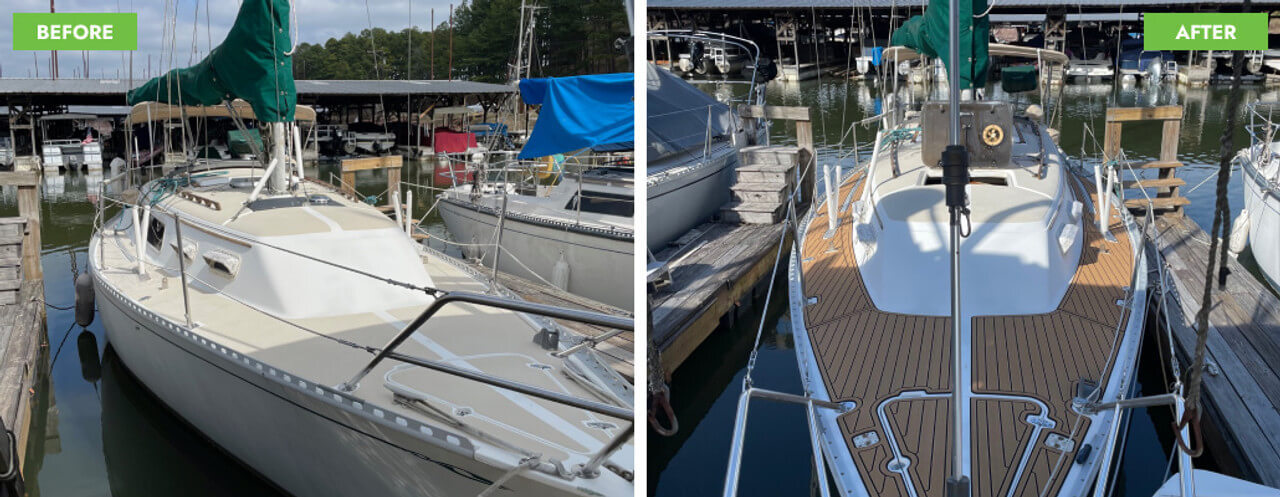
Lifespan, Warranty & Storage Tips
How long a deck surface lasts has less to do with marketing claims and more to do with how the boat lives day to day. Storage, sun exposure, and cleaning habits all play a bigger role than most owners expect.
SeaDek comes with a limited three-year warranty on materials and workmanship, and in real-world use typically lasts around five to seven years in harsh conditions. Boats that stay covered, see moderate traffic, and get cleaned regularly often exceed that range. Uncovered slips, heavy use, and darker colors tend to shorten lifespan.
Marine carpet varies even more. Its longevity depends heavily on moisture control and UV exposure. Frequent wet use, poor ventilation, and slow drying accelerate wear, while mildew and odor become ongoing concerns if moisture is allowed to sit.
A few basic habits help either material last longer:
- Cover the boat when it’s not in use
- Rinse salt and grime after trips
- Avoid harsh or acid-based cleaners
Storage Scenario: What to Expect
|
Storage method |
SeaDek |
Marine carpet |
|
Covered garage |
Longest lifespan, slower fading |
Best-case scenario, manageable upkeep |
|
Under canopy |
Moderate wear over time |
Increased drying and mildew vigilance |
|
Open slip |
Faster UV wear, heat buildup |
Shortened life, higher mildew risk |
Storage doesn’t just affect appearance - it directly influences how often a deck needs replacement. When deciding between SeaDek and carpet, where the boat spends most of its time matters almost as much as how it’s used.

FAQs
Will SeaDek damage gelcoat when it’s removed?
When removed correctly, SeaDek does not damage gelcoat. Problems usually happen when removal is rushed or the adhesive is pulled up aggressively. Proper heat, patience, and adhesive clean-up techniques help keep the underlying surface intact.
Does SeaDek get hot in the sun?
It can, especially in darker colors, when a boat sits uncovered in full sun. Lighter color choices, added shade, or covered storage all help reduce surface temperatures during hot weather.
How does SeaDek hold up with dogs and claws?
Dog claws can gouge foam, particularly in high-traffic areas. Many owners manage this by choosing thicker tread patterns, limiting pet access to certain zones, or placing removable mats where dogs tend to sit.
How long does SeaDek last compared to marine carpet?
SeaDek typically lasts around five to seven years in active or wet conditions, while marine carpet often falls in the five- to six-year range with regular use. Storage, sun exposure, and cleaning habits play a major role in both materials.
Final Recommendation
For most boats that see regular use, get wet often, or carry people, pets, and gear, SeaDek is the more practical choice. Its comfort underfoot, quick cleanup, and resistance to moisture make daily ownership easier, especially when the boat is stored covered or used throughout the season.
Marine carpet can still make sense in narrower situations. If your boat lives in a garage, sees shorter outings in cooler weather, and you prefer a traditional look and feel, carpet may be enough - only if you’re willing to stay on top of drying and cleaning.
The simplest way to decide is to think about how the boat is actually used, not how it’s supposed to be used. Comfort, cleanup, and storage conditions tend to matter far more than material labels once the season gets underway.
Ready to upgrade?
Shop All Boat Kits and Watercraft Accessories or Get a Custom SeaDek Quote